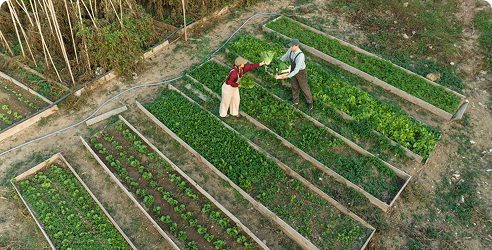
Revitalizing Local Economies Through Sustainable Agricultural Practices

Empowering growers, preserving culture, and building sustainable communities for generations to come

Our Mission

The Odu project is a transformative initiative focused on revitalizing local economies by empowering growers as the foundation of product

Sustainable farming

Promoting ethical agricultural practices that nurture the earth. Promoting ethical agricultural

Community building

Creating strong, self reliant farming communities. Creating strong, self reliant farming

Cultural Preservation

Reviving ancestral knowledge, traditions, and land-based wisdom to guide community growth and identity.

Our Program

More than a farming initiative, The Odù Project is a sanctuary for learning, a space for connection, and a blueprint for self-sufficiency. Through hands-on training, cultural revival, and grassroots leadership, we aim to create a world where communities flourish—economically, culturally, and spiritually.
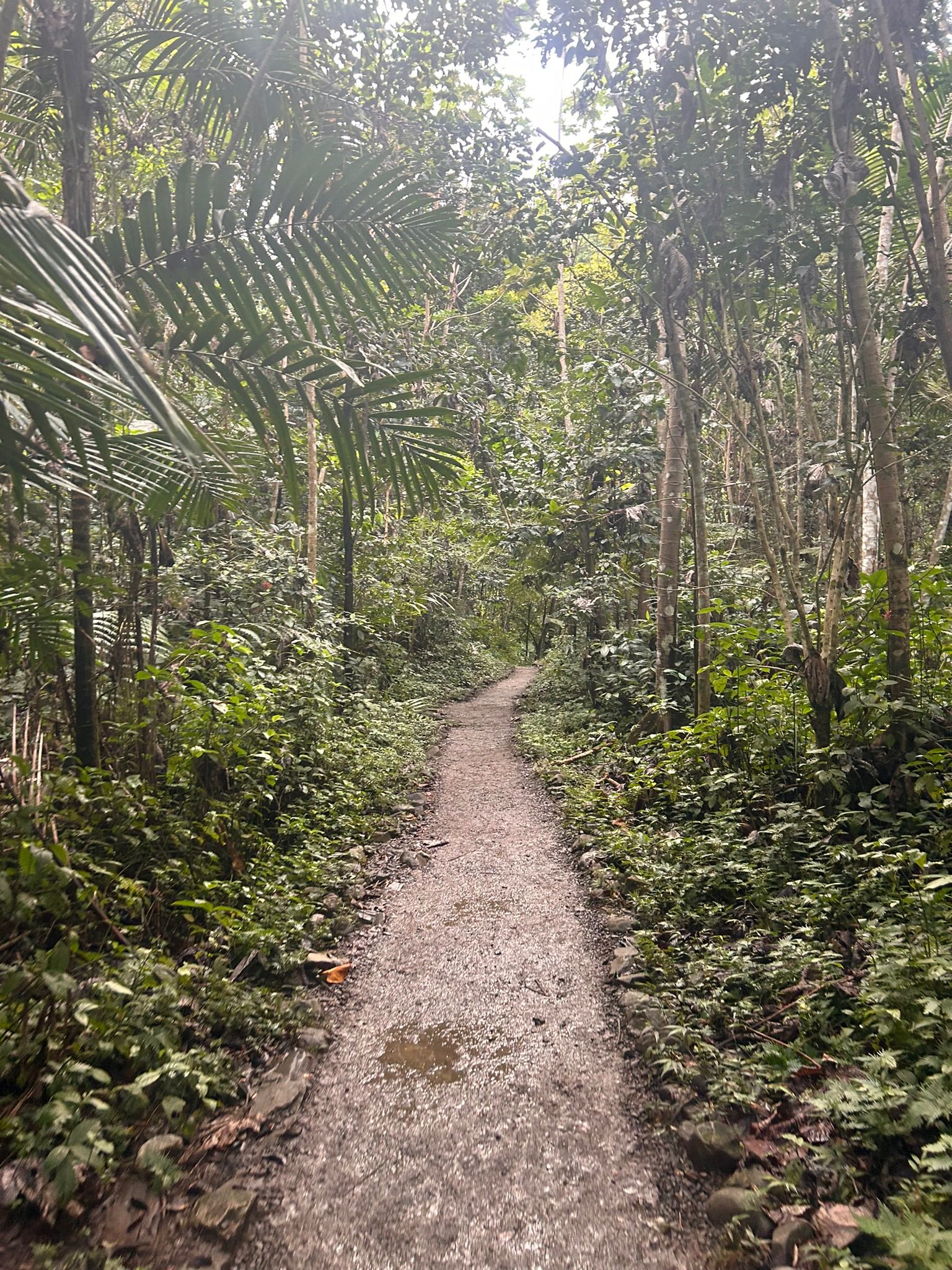
Agricultural training

Agricultural training

Learn vital skills in sustainable farming, crop management, and soil health.
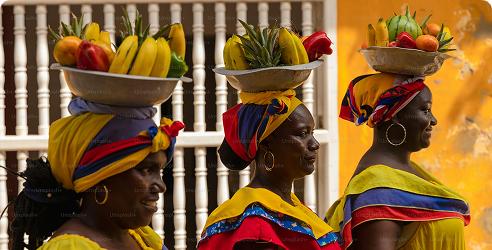
Cultural heritage

Cultural heritage

Connect with ancestral wisdom and traditional agricultural practices.

Community governance

Community governance

Participate in assemblies and learn about cooperative decision-making.
Our Impact

1,000+
Farms Trained
4,000
Acres Cultivated
30+
Active Unions
50+
Communities Served

What Our Community Says

Our Culture Our Heritage

Preserving ancestral wisdom and traditional practices for future generations

Community farming
Economic Resilience

Economic Resilience

Building community-owned systems that create stable livelihoods, shared wealth, and long-term prosperity for farmers and their families.

Ancestral knowledge

Ancestral knowledge

Documenting and nurturing traditional farming techniques and cultural practices passed down through generations.

Environmental Stewardship

Environmental Stewardship

Protecting and restoring the land through regenerative practices that honor the balance between people, nature, and future generations.

Heritage Workshops

Offering hands-on sessions where community members learn traditional crafts, rituals, and ancestral skills that strengthen identity and belonging.

Community Gatherings

Creating safe, inclusive spaces for families, elders, and youth to connect, share experiences, and build stronger communal bonds.

Cultural Education Programs

Teaching the history, values, and philosophies of our people to ensure that younger generations grow with pride and awareness of their roots.

Seasonal Festivals

Honoring important agricultural and cultural seasons with ceremonies, food, art, and communal celebrations that keep traditions alive.

Latest Insights

Stories from our vibrant farming community

Sustainable farming FARMING

Sustainable Farming Techniques For Modern Agriculture

Learn about innovative farming methods that combine traditional wisdom with modern technology.

John Smith

Jan 20, 2025

Read full article
Sustainable farming FARMING

Sustainable Farming Techniques For Modern Agriculture

Learn about innovative farming methods that combine traditional wisdom with modern technology.

John Smith

Jan 20, 2025

Read full article
Sustainable farming FARMING

Sustainable Farming Techniques For Modern Agriculture

Learn about innovative farming methods that combine traditional wisdom with modern technology.

John Smith

Jan 20, 2025

Read full article

Explore our Map

Discover farms, testing hubs, and commercial growth with the Odu Project across regions

Frequently Asked Questions

Stories and updates from our community

The word Odù is sacred in Afa, Ifá, and Fa—West African spiritual systems that carry the wisdom, destiny, and stories of our people. We chose this name to ground our work in ancestral intelligence. Just as an Odu contains multitudes of meaning, our project seeks to address the multitude of ways we can reclaim our land, culture, and self-determination. This is not just farming; it is a spiritual and political practice rooted in deep tradition.

Our vision is a future where Black and oppressed communities are liberated and self-determined, with food systems, culture, and governance rooted in ancestral wisdom and ecological justice. We believe, as Thomas Sankara did, that we must "dare to invent the future," and that future is one where, in the words of Emiliano Zapata, "the land belongs to those who work it."

We operate on three interconnected fronts:
· Urban Farming & Food Sovereignty: We grow ancestral crops (okra, hibiscus, amaranth, etc.) using regenerative practices on urban plots across North Carolina. This is direct action for food autonomy.
· Community Organizing: Our Garden Clubs are bases for political education and building people's assemblies. We don't just grow food; we grow collective power.
· Political Education: We host workshops and youth programs that connect agroecology to African diasporic traditions and anti-colonial thinkers like Frantz Fanon, bell hooks, and Paulo Freire.

We are currently on the ground in Durham, Orange County, and Winston-Salem, North Carolina. We are actively building solidarity and planning for expansion into Southeast North Carolina, the Atlanta area, and the Gullah Geechee corridor.

For us, food sovereignty is the political right of a community to control its own food systems. It is a direct rejection of the colonial, capitalist food model that disconnects us from the land and makes nourishment a market privilege. It is about reclaiming the power to define what we eat, how we grow it, and who benefits from it.

If you are in or near one of our current locations, you can join by clicking the "Join a Garden Club" button on our website and filling out the form. We welcome all who are ready to work the land and build community with us. No prior farming experience is necessary, only a commitment to collective work and liberation.

There are many ways to contribute your energy! You can:
· Volunteer for seasonal harvests, community outreach, or skill-sharing (e.g., carpentry, graphic design, childcare during events).
· Donate to fund seeds, soil, tools, and our educational programs.
· Invite Us to teach or collaborate with your organization, school, or community group.
· Spread the Word by following and sharing our work on Instagram (@oduproject).

Yes. We offer workshops, assemblies, and community teachings rooted in food sovereignty and political ecology. Please contact us at info@theoduproject.com with "Speaking Request" in the subject line to discuss possibilities.

For centuries, our ancestors were forced to work the land for the enrichment of others. To now work the land for our own nourishment, our own economies, and our own cultural survival is a revolutionary act. As Fannie Lou Hamer demonstrated, food autonomy is a foundation of political independence. We are literally growing our freedom.

Our struggle for land and food sovereignty is not isolated. We stand in solidarity with African agroecological networks, Maroon and Caribbean land traditions, Indigenous land stewards, and all Global South movements resisting the same extractive colonial systems. We learn from and connect our local work to these global freedom movements.

Our work is deeply informed by a tapestry of revolutionary voices, including:
· Amílcar Cabral on culture and liberation.
· Thomas Sankara on self-sufficiency and daring to invent the future.
· Paulo Freire & bell hooks on critical pedagogy and education as the practice of freedom.
· Frantz Fanon on decolonization.
· The Zapatistas on autonomy and the principle that "land is life."
· The long legacy of Southern Black cooperative economics and organizing.

We are sustained by the people. Our primary support comes from individual donations, community grants, and the collective labor of our members. We are committed to remaining accountable to our community, not to corporate or philanthropic interests that would dilute our political vision.

We are open to collaborations with aligned organizations who share our commitment to land liberation, food sovereignty, and building collective power. Please reach out to us at contact@theoduproject.com to explore potential partnerships.

For all inquiries, the best email is contact@theoduproject.com. You can also follow our daily work and message us on Instagram @oduproject.

Join the Movement

Be a part of a transformative initiative that's reshaping food communities and pioneering our cultural heritage